

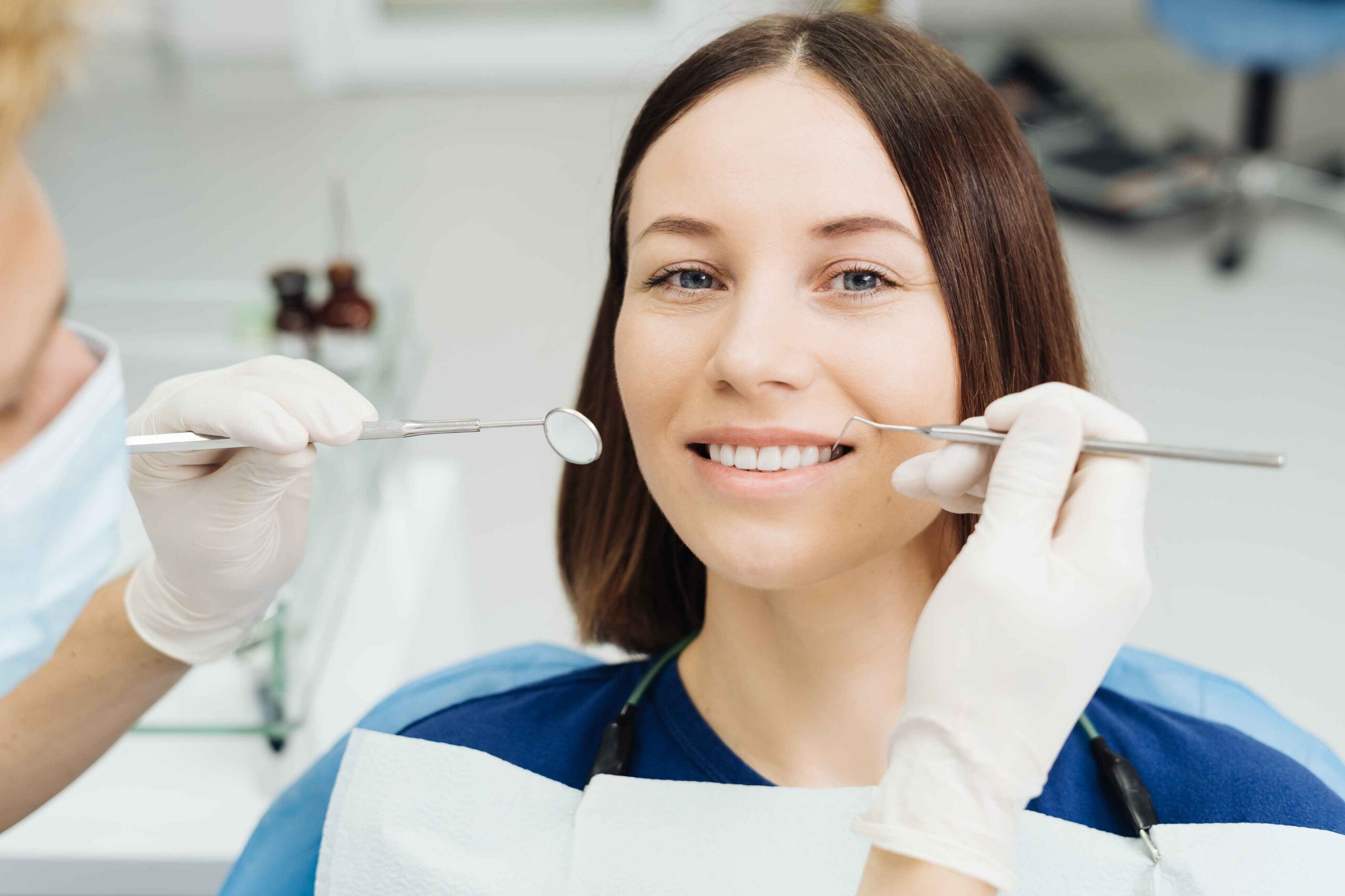
Veneers Naperville, IL may help improve the appearance of selected front teeth that look chipped, worn, stained, uneven, narrow, or slightly misshaped. Veneers are thin custom coverings placed on the visible surface of teeth after a dental evaluation. Patients in Naperville and Woodridge usually need their enamel, gums, bite, cavities, old dental work, and cosmetic goals checked first, so the dentist can explain whether veneers, bonding, whitening, crowns, or another option may fit.
A front tooth can draw attention even when the concern is small. A chip may be shown in photos. A worn edge may make one tooth look shorter. A deep stain may not lighten with whitening. A slightly uneven tooth may make the smile feel less balanced than it used to.
Veneers Naperville, IL may be discussed when the concern involves the visible tooth surface. Veneers can often change the look of selected teeth by improving shape, length, shade, and surface texture. They are not the right choice for every smile of concern, and they should not be planned before the teeth and gums are checked. A dentist may need to review enamel thickness, gum health, bite pressure, old fillings, cracks, and decay before deciding whether veneers are suitable.
What Veneers Are Meant to Improve
Veneers are thin restorations that cover the front surface of selected teeth. They are often used on teeth that show when smiling or speaking. Veneers may be considered for chipped teeth, worn edges, deep stains, small cosmetic spaces, uneven tooth shapes, or teeth that appear slightly narrow.
A veneer does not move the tooth through bone. It changes the visible surface. That makes it different from orthodontic treatment. It is also different from whitening, which can brighten natural enamel but cannot reshape teeth.
Patients considering veneers in Naperville, IL should expect a conversation about both appearance and function. The dentist needs to understand the cosmetic goal and whether the tooth can support the restoration.
Why Tooth Health Comes First
Cosmetic treatment should begin with healthy teeth and gums. A tooth with decay, gum inflammation, a deep crack, or nerve symptoms may need treatment before veneers are discussed. Covering the surface without checking the cause of a problem can lead to discomfort or future repair needs.
A dentist at Naperville, IL evaluation may include checking cavities, old fillings, gum recession, enamel wear, and signs of grinding. If a tooth has a large filling or weak structure, a crown may be a better choice than a veneer. If gums are inflamed, cleaning or gum care may be recommended first.
Patients with Delta Dental or Aetna information may want to ask how exams, X-rays, and restorative evaluations are handled before cosmetic planning. That benefit review is separate from the dentist’s clinical recommendation.
Veneers, Bonding, Whitening, and Crowns Are Different
Patients often ask whether dental veneers are the only way to improve their front teeth. The answer depends on the concern. Whitening may help stains on natural enamel, but it will not fix chips or tooth shape. Bonding may repair small chips or close tiny spaces with tooth-colored resin, but it may stain or wear over time.
Crowns cover more tooth structure and may be recommended when a tooth is weak, heavily filled, cracked, or broken. Patients asking about dental crowns in Woodridge, IL may be dealing with tooth strength concerns rather than cosmetic surface changes alone.
Patients with Aetna Medicare or Cigna may want to ask whether a service is considered cosmetic, restorative, or diagnostic under their plan. These categories can matter, but the tooth condition should guide the treatment discussion.
Broken Teeth May Need Urgent Care Before Cosmetic Planning
A chipped tooth is not always a cosmetic issue. If the tooth is painful, bleeding, loose, cracked deeply, or injured from trauma, the first step is evaluation. Cosmetic planning can wait until the tooth is stable.
An emergency dentist in Naperville, IL visit may be needed for severe pain, swelling, trauma, bleeding, or signs of infection. If swelling affects breathing or swallowing, emergency medical care is needed right away.
Patients with GEHA/connection dental or Sunlife plan details may ask about urgent visit benefits, but severe symptoms should be evaluated promptly. Once the urgent concern is addressed, the dentist can discuss whether the tooth needs bonding, a dental crown, a veneer, root canal treatment, or another option.
Bite Pressure Can Affect Veneer Success
Front teeth do more than show when smiling. They guide the bite, help with speech, and contact other teeth during certain movements. If a patient grinds, clenches, bites nails, chews ice, or has uneven bite contacts, veneers may face extra stress.
The dentist may check for worn enamel, chipped edges, cracked fillings, jaw soreness, or flattened tooth surfaces. These signs can suggest that bite pressure should be addressed before or after cosmetic treatment.
Patients with DNOA or Guardian benefits may want to ask whether bite guards, diagnostic records, or related visits are reviewed differently than cosmetic services. A veneer that looks natural still needs to function in the mouth.
When Tooth Position Is Part of the Concern
Some teeth look uneven because of position, not shape. A tooth may be rotated, crowded, tilted, or set behind nearby teeth. In these cases, changing the surface may not solve the full concern.
Orthodontic treatment may be discussed if the tooth movement creates a healthier foundation. In other cases, minor surface changes may be enough. Some patients may need a staged plan that includes alignment first and cosmetic treatment later.
Patients with Humana or Lincoln Financial may want to ask whether any diagnostic records, consultations, or related restorative treatment are reviewed before cosmetic decisions. A careful smile evaluation looks at tooth shape, position, gumline, bite, and patient goals.
Benefit Questions Before Cosmetic Care
Cosmetic dentistry can raise detailed benefit questions. Patients may bring MetLife information and ask whether veneer-related visits are handled differently from fillings or crowns. Others may have United Concordia and want to know whether a pre-treatment estimate is useful before restorative work on a front tooth.
Some patients with United Healthcare or United Healthcare Medicare may have plan rules that differ from a standard employer policy. This is why benefit questions should be discussed directly with the dental office and the plan.
These conversations can help patients prepare, but they should not pressure the treatment choice. The best option still depends on enamel, gum health, bite pressure, tooth structure, and the patient’s goals.
What Patients May Appreciate About Veneers
For selected teeth, veneers may help create a more balanced appearance.
They may help improve:
- Chipped front tooth edges
- Worn or shortened teeth
- Deep stains that do not respond well to whitening
- Uneven tooth shapes
- Small cosmetic spaces
- Slight size differences between teeth
- Surface texture concerns
The benefit is visual balance, not perfection. Veneers Naperville, IL should fit the patient’s face, gumline, bite, and nearby teeth. They should not look separate from the rest of the smile.
What Usually Happens During the Veneer Process
Before veneers are planned, the dentist reviews cosmetic goals, teeth, gums, bites, existing dental work, and enamels. Photos, X-rays, impressions, or scans may be recommended depending on the case.
During preparation, a small amount of enamel may be adjusted based on the veneer type and treatment plan. Impressions or scans are taken so the veneers can be made to fit. Temporary restorations may be used while final veneers are being prepared.
At placement, the dentist checks fit, shade, bite, and appearance before securing the veneers. After treatment, patients should clean carefully around the gumline, avoid using teeth as tools, and keep regular exams. Veneers Naperville, IL care should include long-term maintenance, not only placement.
Local Patient Review
“I wanted to fix a chipped front tooth, but I did not know whether bonding, a crown, or veneers made sense. The visit helped me understand the difference.”
A Smile Change Should Be Planned with Care
Cosmetic treatment feels more reassuring when the patient understands tooth strength, bite pressure, gum health, and the difference between appearance-based and repair-based options. Advanced Lisle Dental can help patients compare smile choices with a focus on natural-looking results and practical long-term care.
Frequently Asked Questions
Can veneers help with chipped front teeth?
Veneers may improve selected chipped front teeth if enough healthy structure remains. The dentist should check the chip, bite, enamel, and gum health first.
Do veneers straighten their teeth?
Veneers can make some teeth look more even, but they do not move their teeth. If position is the main issue, orthodontic options may be discussed.
Will whitening be needed before cosmetic work?
Sometimes. If a patient wants a brighter shade, whitening may be discussed before final restorations are matched.
Are veneers suitable for teeth with large fillings?
Not always. Teeth with large fillings or weak structure may need crowns instead. The dentist will check how many natural teeth remain.
Can grinding damage veneers?
Yes. Grinding or clenching can place extra force on veneers and natural teeth. Bite protection may be discussed if wear or pressure is present.
What if a front tooth breaks suddenly?
A sudden break should be checked, especially if there is pain, bleeding, swelling, or trauma. Stabilizing the tooth comes before cosmetic planning.
Do veneers need special cleaning?
They need daily brushing, flossing, and regular dental visits. The gumline and edges should be kept clean to support long-term health.
Can benefits apply to cosmetic care?
Benefit rules vary by plan and service. Patients should ask about coverage details, estimates, and whether a service is considered cosmetic or restorative.