

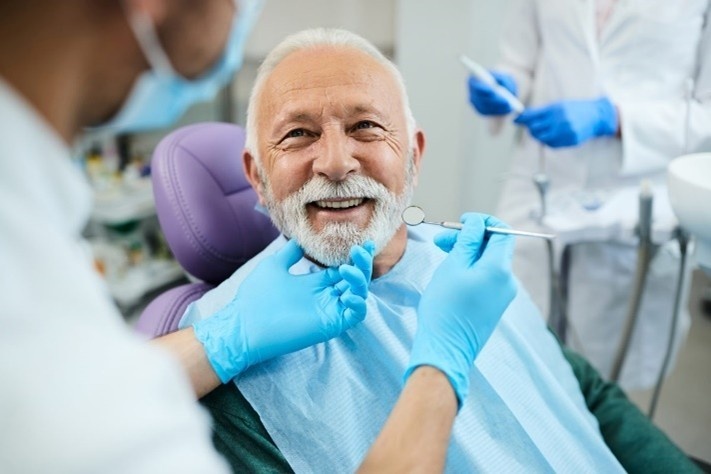
Invisalign Lisle patients consider may be an option for straightening mild to moderate tooth alignment concerns with removable clear aligners. Invisalign treatment can guide teeth into better positions over time, depending on the bite, spacing, crowding, and patient compliance. For patients in Lisle, clear aligners may appeal to teens and adults who want a less noticeable option than braces, but suitability requires a dental or orthodontic evaluation.
Crowded, crooked, or spaced teeth can affect more than the way a smile looks. They may make brushing and flossing harder, change how the bite feels, or cause certain teeth to take more pressure than others. At Advanced Lisle Dental, patients may ask about clear aligners when they want straighter teeth without fixed brackets and wires.
For someone comparing Invisalign Lisle options, the decision often comes down to whether clear aligners can fit their smile goals and daily routine. Invisalign is removable and less noticeable than traditional braces, but it is not right for every case. It works best when patients wear the aligners as directed and when the needed tooth movements can be handled safely.
How Invisalign Treatment Works
Invisalign uses a series of clear, removable aligners that fit the teeth. Each set applies to gentle pressure to guide selected teeth into planned positions over time. Patients usually change aligners on a schedule recommended by their dentist or orthodontic provider.
The aligners are removed from eating, drinking anything other than water, brushing, and flossing. This can make daily care easier than fixed braces, but it also means patients must be responsible for wearing time.
Treatment begins with an evaluation of the teeth, bite, gums, and jaw relationships. Scans or impressions may be used to plan tooth movement and decide whether clear aligners are likely to work.
What Invisalign May Help Correct
Clear aligners may help with certain types of crowding, spacing, rotated teeth, and mild bite concerns. They may also be used for adults whose teeth shifted after past orthodontic treatment.
Invisalign may be a good option for patients who want a less noticeable approach and can follow daily wear instructions. The best fit depends on the complexity of the case, gum health, and the type of movement needed.
Some cases may still need braces or another orthodontic approach. Severe crowding, major bite concerns, impacted teeth, or complex jaw problems may not be ideal for aligners alone. A dental evaluation helps avoid guessing.
Why Straighter Teeth Can Support Oral Health
Many patients first ask about Invisalign because they want a straighter smile. Appearance matters, but alignment can also affect oral health. Crowded teeth may trap plaque and food. Overlapping areas can be harder to floss. Teeth that hit unevenly may wear faster or feel uncomfortable.
Straighter teeth may be easier to clean, which can support gum health and cavity prevention. Better alignment may also help distribute bite pressure more evenly.
For patients in Lisle, clear aligner treatment can be part of a larger oral health plan. A dentist may want to address cavities, gum inflammation, worn dental work, or bite concerns before starting aligners.
How Invisalign Compares with Veneers
Veneers Lisle patients consider may help improve the visible surface of teeth by changing shape, size, or color. Invisalign works differently because it moves teeth into better positions over time.
If teeth are crowded or rotated, veneers may not solve the underlying alignment concern. In some cases, Invisalign may be recommended before veneers, so cosmetic treatment can be more conservative or more balanced.
The right order depends on the patient’s mouth. Some patients need alignment first. Others may be better suited for veneers, bonding, or another cosmetic option. A dental evaluation helps match the treatment to the actual concern.
How Preventive Care Fits Before Aligners
Preventive dentistry Lisle, IL patients receive can help create a healthier foundation before Invisalign treatment begins. Teeth and gum should be checked before the tooth movement starts.
If a patient has cavities, gum inflammation, or heavy plaque buildup, those concerns may need to be taken first. Healthy gums are important because teeth move through the bone and support tissues during aligner treatment.
A cleaning and exam may also help the dentist identify areas that are difficult to brush. Since aligners cover the teeth for many hours each day, good home care matters during treatment.
Daily Life with Clear Aligners
Wearing aligners takes commitment. They usually need to stay in for most of the day and night. If they are left out too often, teeth may not move as planned, and treatment can take longer.
Patients remove aligners from eating, which means there are fewer food restrictions than with braces. The tradeoff is that brushing before putting aligners back in is important. Food and sugary drinks trapped under aligners can increase plaque buildup or staining risk.
Some people feel pressure or tightness when they switch to a new aligner. This is common as teeth begin moving, but discomfort levels vary. Speech may feel slightly different at first, though many patients adjust.
Benefits Patients Often Ask About
Clear aligner treatment may offer several practical benefits for the right patient. These benefits depend on oral health, case complexity, and how well the aligners are worn.
Patients may appreciate:
- A less noticeable way to straighten teeth
- Removable aligners for meals and cleaning
- Easier brushing and flossing than fixed brackets
- Fewer food limitations compared with braces
- A planned series of tooth movements
- Possible improvement in crowding or spacing
- Support for a more balanced smile
- These benefits are strongest when treatment is well planned, and the patient follows wear instructions.
What to Expect Before and During Treatment
The Invisalign process usually starts with an exam. Your dentist may check tooth alignment, bite, gum health, cavities, restorations, and jaw comfort. If gum disease or active decay is present, those concerns may need care before aligner treatment begins.
If aligners appear suitable, scans or impressions may be taken to create a treatment plan. You may be shown how the teeth are expected to move. Attachments may be placed on certain teeth to help the aligners grip and guide movement.
Once aligners are made, you will receive instructions on wear time, cleaning, storage, and when to switch trays. Follow-up visits help check progress and make sure the aligners fit properly. After treatment, retainers are usually needed to help maintain the new positions.
Local Patient Review
“I wanted to understand if clear aligners would work for my teeth. The explanation felt practical, and I liked knowing what daily wear would really involve.”
A Straighter Smile with a Practical Plan
Clear aligners can be a helpful option for patients who want straighter teeth without fixed braces, but the best choice depends on bite, oral health, and treatment goals. For patients in Lisle comparing Invisalign and other alignment options, Advanced Lisle Dental can help explain what may fit their smile and daily routine.
Frequently Asked Questions
Is Invisalign a good option for adults?
Invisalign may be a good option for adults with mild to moderate crowding, spacing, or alignment concerns. Suitability depends on tooth movement needs, gum health, and bite conditions.
Can teens use Invisalign?
Some teens can use Invisalign if they are responsible enough to wear the aligners as directed. A dentist can evaluate whether clear aligners match the teen’s needs and habits.
How long does Invisalign treatment take?
Treatment time varies based on crowding, spacing, bite concerns, and how consistently the aligners are worn. Your dentist can give a clearer estimate after reviewing your case.
Do I have to wear Invisalign all day?
Aligners usually need to be worn most of the day and night, except during meals, drinking anything besides water, brushing, and flossing. Not wearing them enough can slow progress.
Is Invisalign better than veneers?
They solve different concerns. Invisalign moves teeth, while veneers change the visible tooth surface. Some patients may need alignment before cosmetic veneers are considered.
Can Invisalign help with crowded teeth?
Yes, Invisalign may help with certain mild to moderate crowding cases. Severe crowding may need a different approach, depending on the bite and available space.
Will Invisalign affect eating?
Aligners are removed for meals, so patients do not have the same food restrictions as braces. Teeth should be cleaned before the aligners go back in.
Do I need a retainer after Invisalign?
Yes, retainers are usually needed after Invisalign treatment to help teeth stay in their new positions. Without retainers, teeth can shift over time.